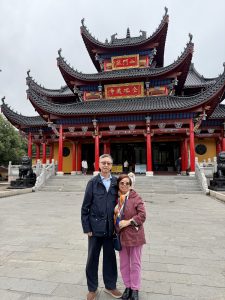

It was the eighth day of our Century Legend Yangtze River cruise when Rosa and I reached Chizhou — the only port on our journey located in Anhui, my home province before I immigrated to the United States. For me, this stop was far more than just another sightseeing excursion; it was a homecoming.
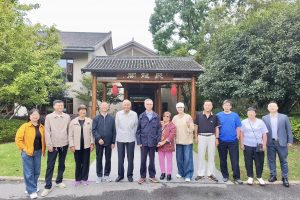
The port of Chizhou lies not far from where my brothers live, and the moment I saw the familiar landscape of southern Anhui, I felt a deep longing to see my family. I called my four brothers, and they agreed to come, along with my sister-in-laws and my beloved uncle, who at 85 years old still insisted on making the trip. It touched me deeply that he wanted to see me after all these years.
When we finally met in Chizhou, it was a joyful reunion filled with laughter, warmth, and shared memories. We gathered around a lunch table, enjoying not only the food but also the irreplaceable feeling of family — the gentle teasing among siblings, the care in my uncle’s eyes, and the easy rhythm of conversation that only family can share. The meeting was short, but its affection and the atmosphere of home lingered long after we said goodbye.
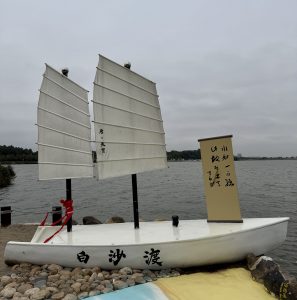
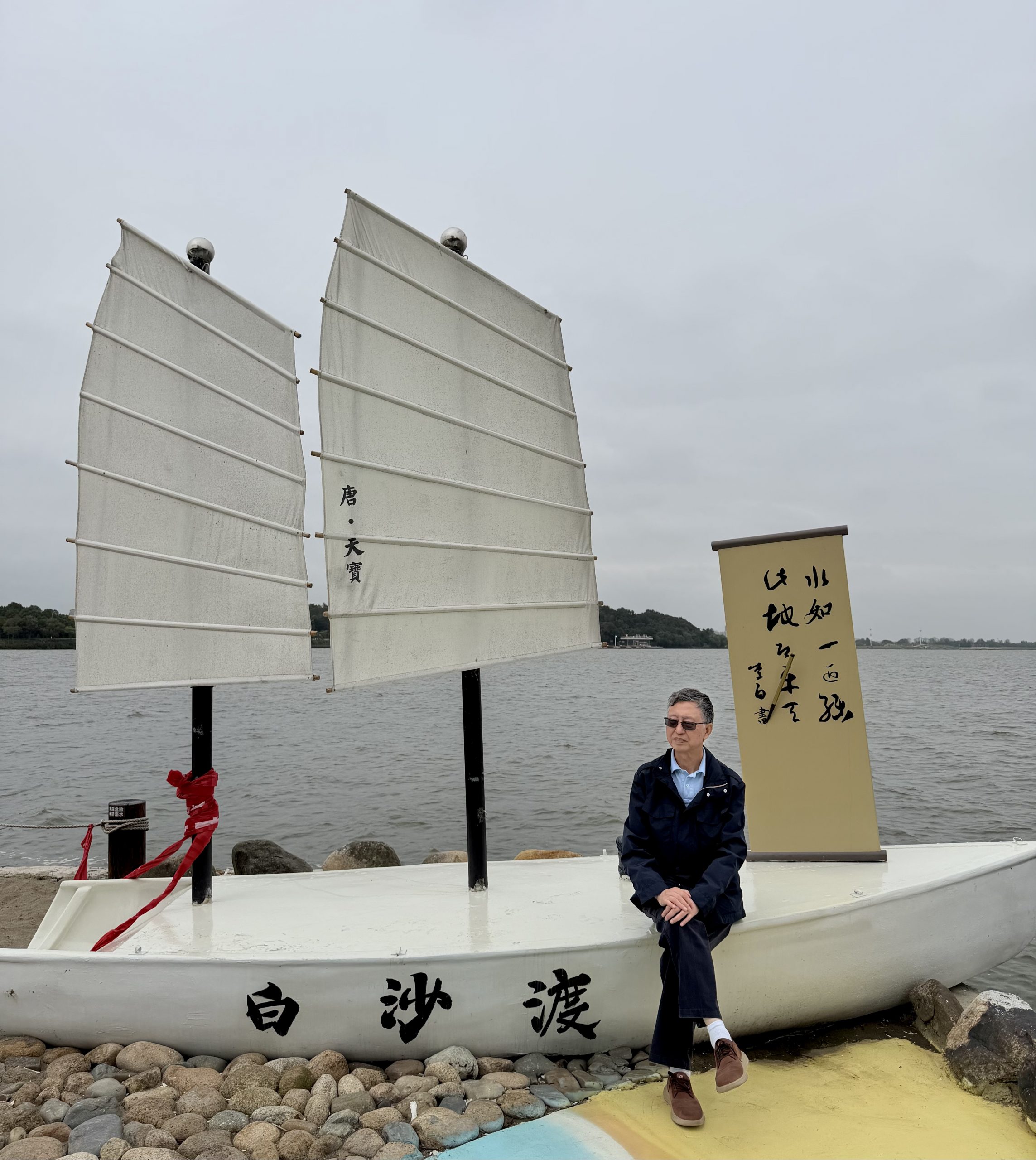
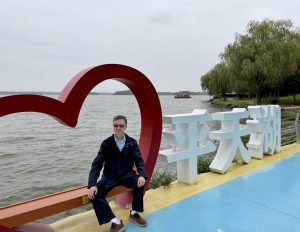
Chizhou is also famous for the Lake of Pingtian, once called White Sand Lake. Seventeen centuries ago, the great poet Li Bai visited this very lake. Captivated by its beauty, he wrote of “water like a piece of silk, this place is Pingtian.” Later the lake was renamed “Pingtian,” meaning “as calm and flat as the sky.” As Rosa and I gazed upon the same serene waters that once inspired Li Bai, I felt an almost poetic connection between past and present — between the timeless landscape of Anhui and my own return to it after so many years abroad.
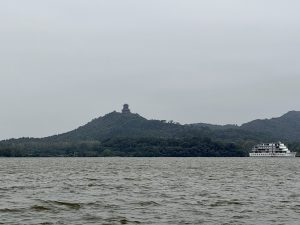
That day in Chizhou will forever remain one of the most unforgettable moments of our Yangtze River journey — a day when the flow of the river met the flow of family ties, both steady, both enduring.